
Saudi Arabia- Pakistan Defence Pact: Islamic NATO ?
The Saudi Arabia–Pakistan Defence Pact represents a major development in contemporary geopolitics, introducing a formal mutual defence clause that binds the security of both nations. Emerging amid shifting alliances and declining Western influence in the Middle East, the agreement signals a renewed phase of military cooperation, strategic recalibration, and power realignment across the Islamic world and South Asia.
- The recently signed Saudi Arabia–Pakistan Mutual Defence Agreement represents a significant development as the pact explicitly states that “any aggression against either country shall be considered an aggression against both”, thereby formalizing a mutual security guarantee.
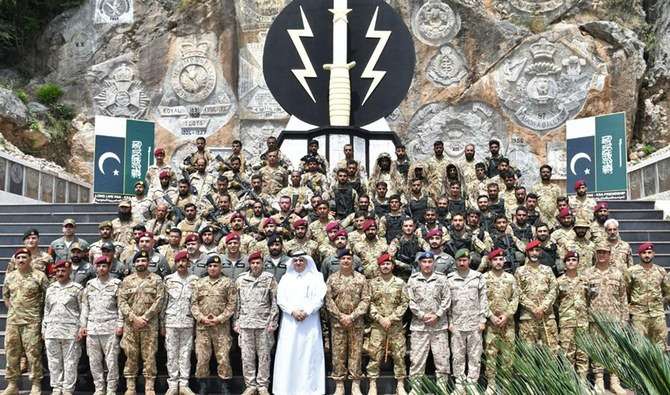
- This agreement is not merely a bilateral military arrangement—it reflects shifting alliances, strategic recalibrations, and emerging security architectures in the region.
- The pact is being viewed through various lenses — as a strategic partnership between Pakistan and Saudi Arabia, a potential challenge to India’s security interests, and a reflection of shifting alliances in the broader Middle Eastern and South Asian geopolitics.
Context of the Pact
- The defence agreement between Saudi Arabia and Pakistan comes at a time when both nations are looking to enhance their military and strategic cooperation.
- Following an Israeli strike on Qatar targeting Hamas leaders, Gulf states have grown wary of external threats and the reliability of traditional Western security guarantees.
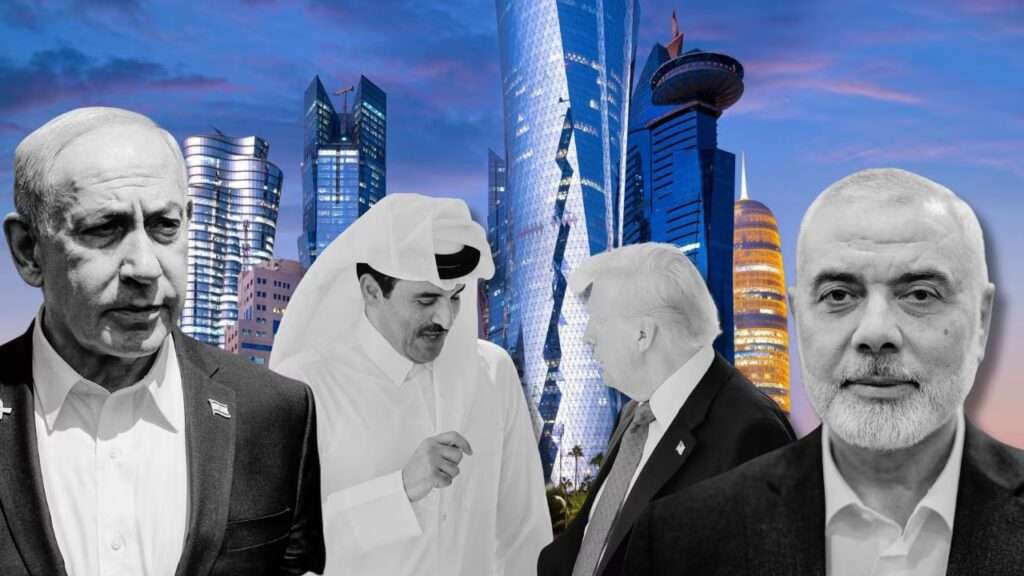
- Perceived US disengagement from the Middle East has prompted Gulf monarchies to diversify their security partnerships.
- As a nuclear-armed state with a large, battle-hardened military, Pakistan offers Riyadh a credible deterrent and rapid deployment capability.
- The pact reinforces the OIC (Organisation of Islamic Cooperation) narrative of collective defence among Muslim-majority nations.
Key Elements of the Agreement
- Mutual Defence Clause as an attack on one will be treated as an attack on both
- Enhanced coordination in training, logistics, and weapons procurement.
- Increased cooperation in counterterrorism and cybersecurity.
- Potential Nuclear Umbrella, as it could imply nuclear deterrence support from Pakistan to Saudi Arabia.
- This creates a collective security arrangement similar to those seen in traditional military alliances like NATO.
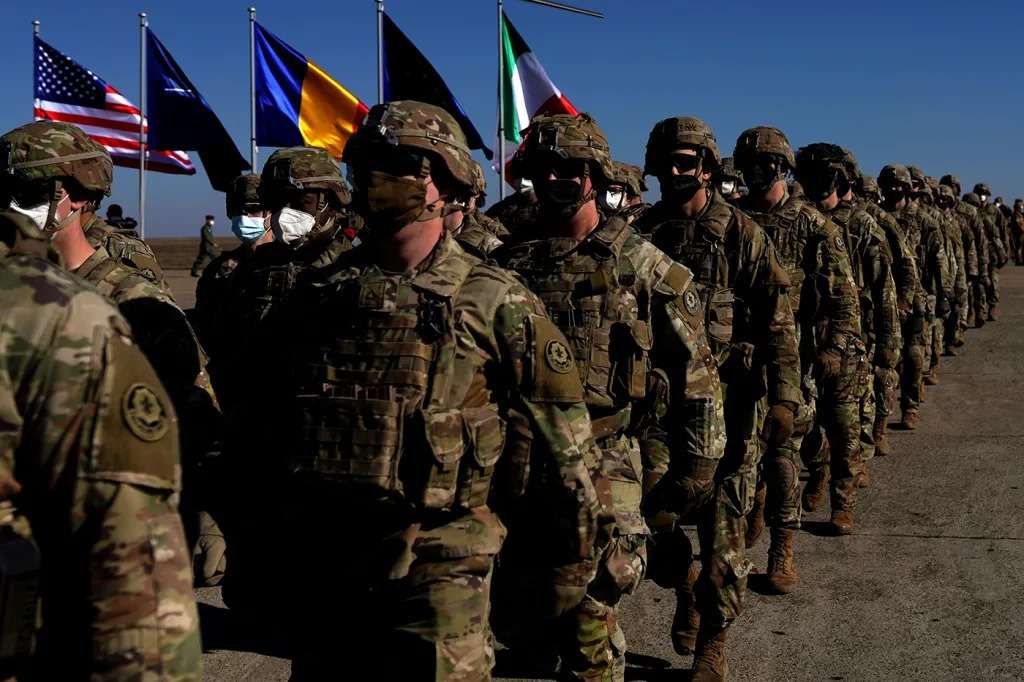
- For Saudi Arabia’s growing security concerns in the region, particularly regarding the ongoing tensions with Iran and the instability in Yemen.
- For Pakistan, the pact also provides a mechanism for military and economic cooperation, strengthening its ties with a key regional power while also gaining access to Saudi military assistance and technology.
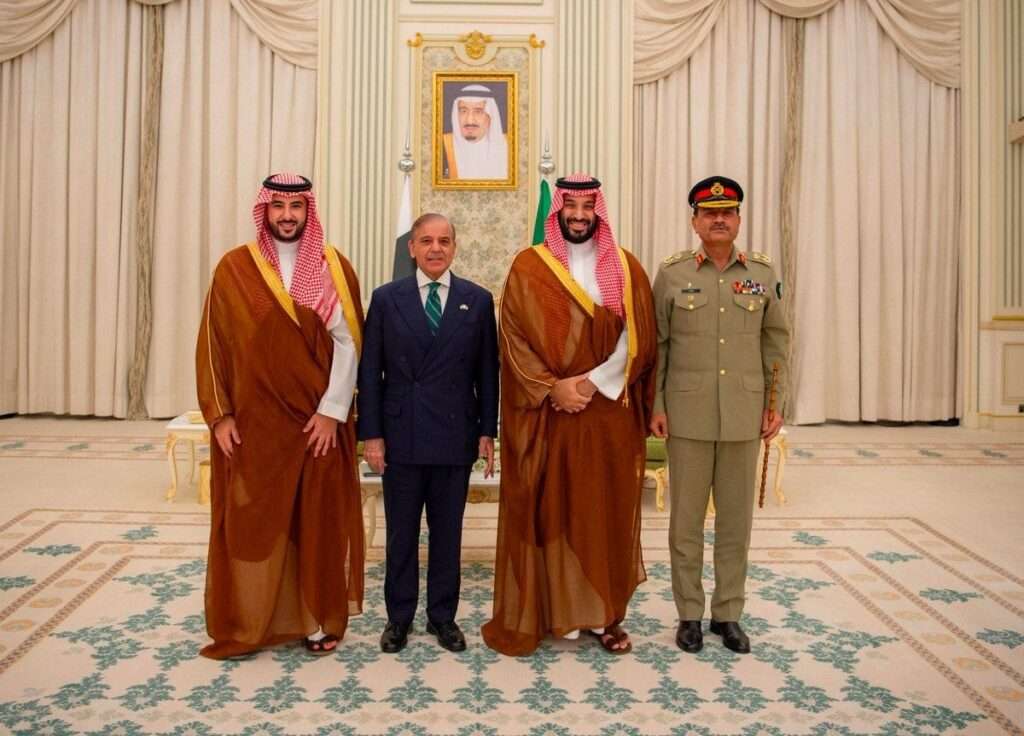
Historical Background of Saudi–Pakistan Defence Ties
- Early Cooperation: The roots of Saudi–Pakistan defence cooperation date back to the 1960s, when Pakistan began providing military training and personnel to Saudi Arabia.
- 1982 Defence Agreement: A formal defence cooperation pact was signed in 1982, enabling Pakistani troops to be stationed in Saudi Arabia for the protection of holy sites and strategic installations.
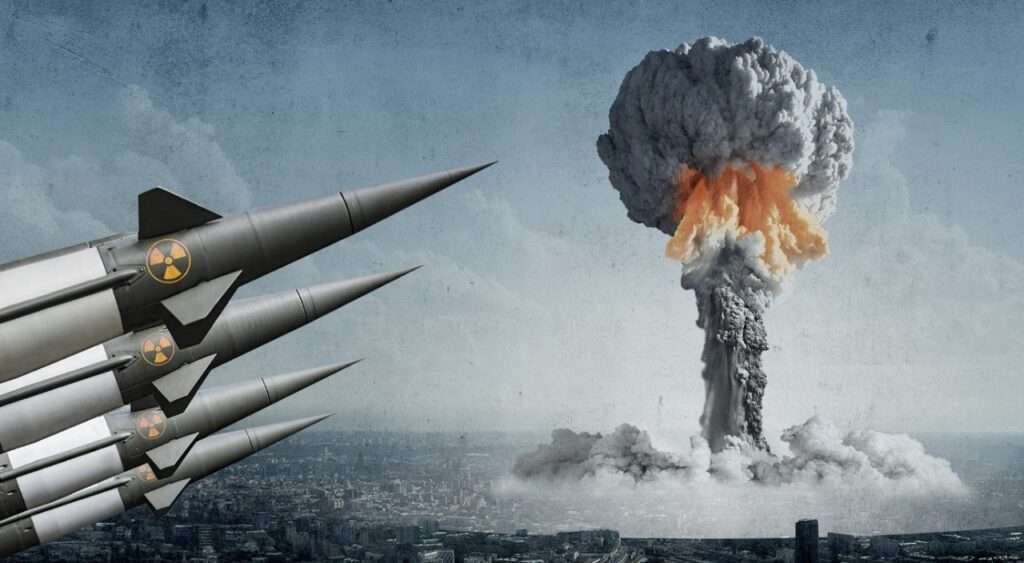
- Nuclear Linkages: Saudi Arabia has been a financial supporter of Pakistan during its nuclear weapons development phase, especially in the 1970s–80s, when Islamabad faced international sanctions.
- Joint Exercises: Over the decades, the two countries have conducted joint military drills, intelligence sharing, and counterterrorism cooperation.
Strategic Rationale
1. Saudi Arabia
- Diversification of Security Partners: Reducing overdependence on the United States.
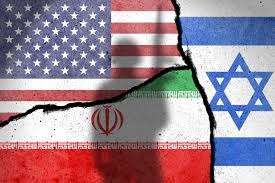
- Countering Regional Rivals: Sending a deterrent message to Iran and potentially Israel.
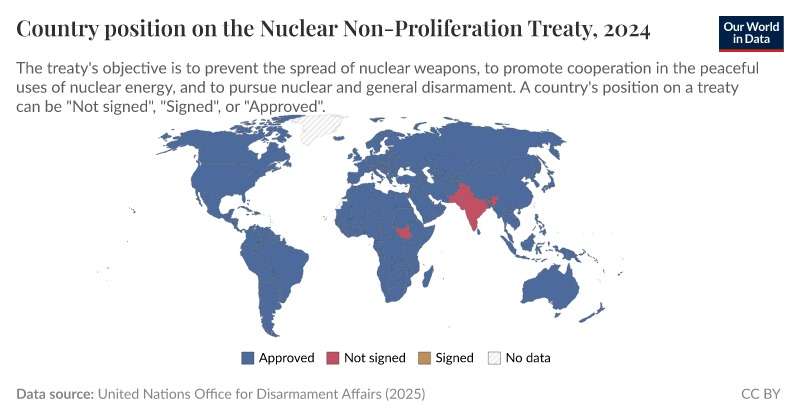
- Nuclear Backstop: Leveraging Pakistan’s nuclear capability without violating the NPT.
- Military Expertise: Access to Pakistan’s professional armed forces for training and operational support.
2. Pakistan
- Economic Support: Saudi Arabia is a major source of financial aid, oil on deferred payments, and investment in Pakistan’s infrastructure.

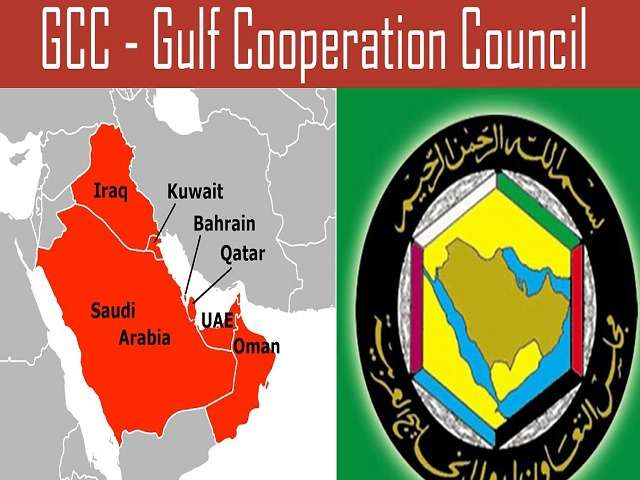
- Diplomatic Backing: Riyadh’s influence in the Gulf Cooperation Council (GCC) and the wider Islamic world strengthens Pakistan’s diplomatic leverage.
- Military Modernization: Access to Saudi funding for defence procurement.
- Geopolitical Relevance: Reinforcing Pakistan’s role as a security provider in the Muslim world.
Implications for India: Strategic and Diplomatic Challenges
- Strategic Ties with Saudi Arabia: India’s strong relationship with Saudi Arabia focuses on trade, investment, and energy security but faces challenges from growing Saudi-Pakistan military ties.
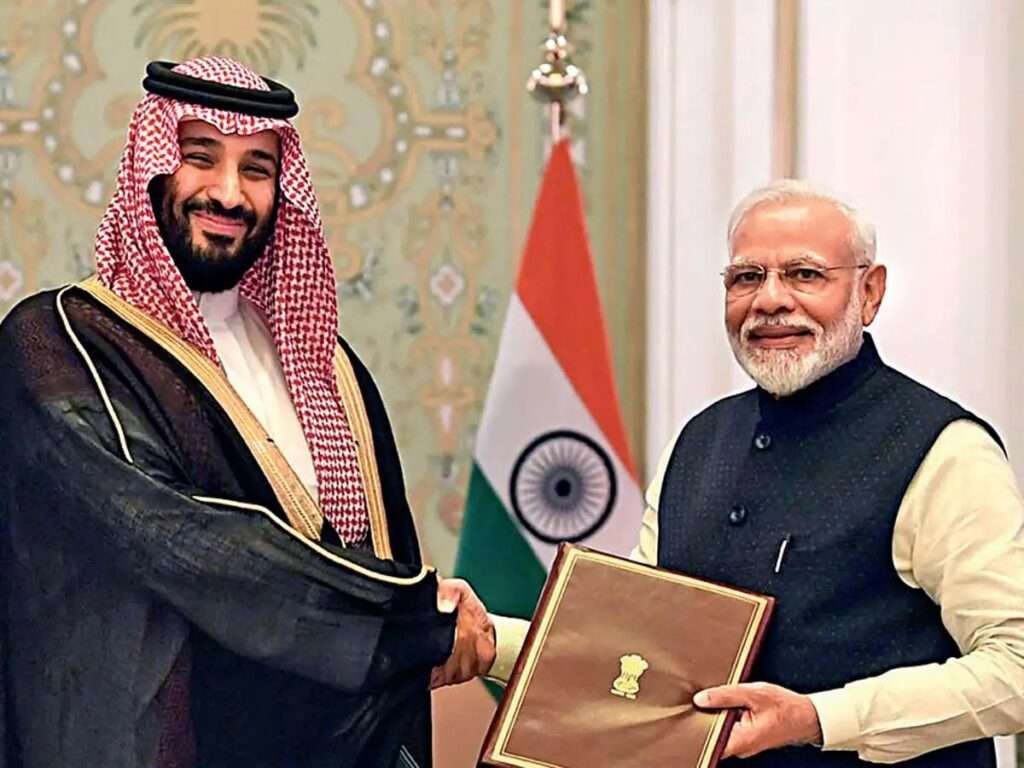
- Impact on India-Pakistan Relations: The Saudi-Pakistan alliance may embolden Pakistan’s military posture, heightening tensions with India and prompting a recalibration of India’s defence strategy.
- Shifting Middle East Alliances: Saudi-Pakistan ties are part of broader Middle Eastern realignments, particularly in response to Iran’s growing influence.
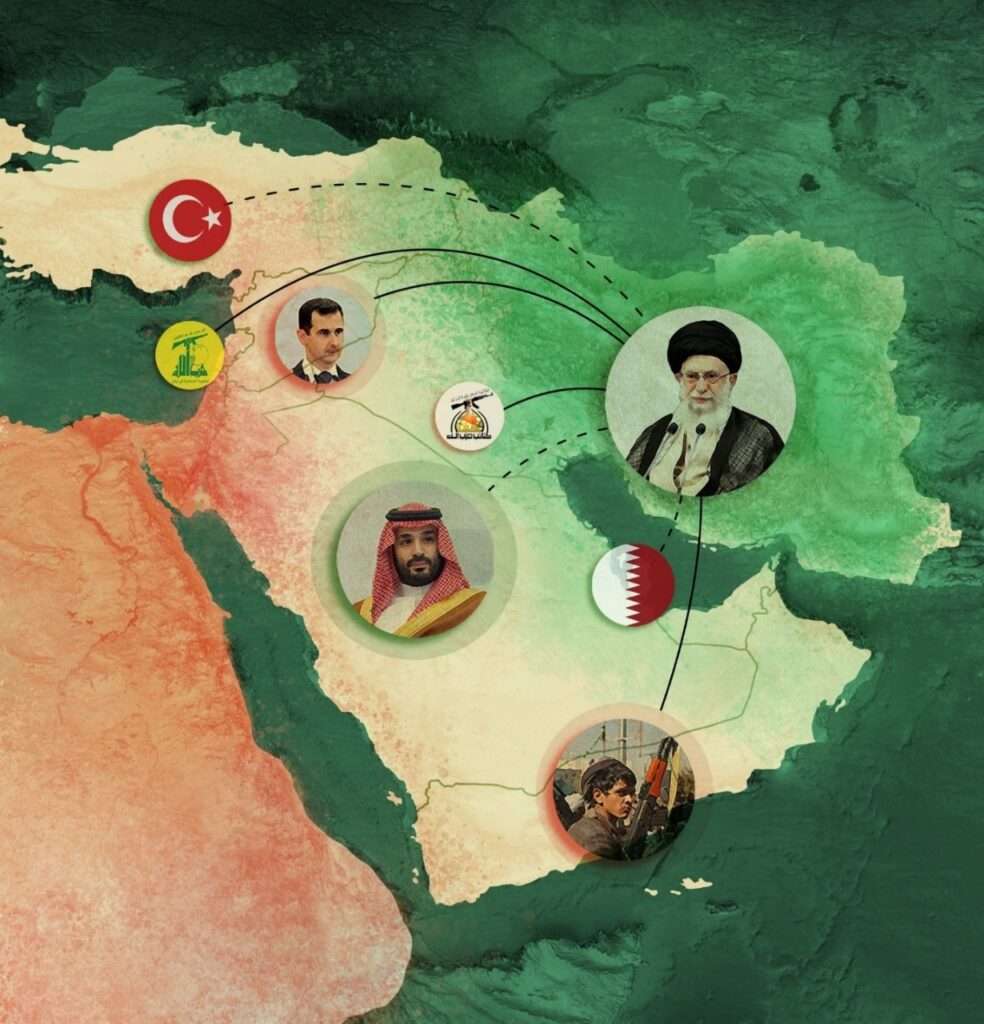
- Pakistan’s Military Capabilities: Saudi military support could enhance Pakistan’s military strength, complicating India’s security situation, especially in relation to Kashmir.
- Energy Security Risks: Deteriorating ties with Saudi Arabia could jeopardize India’s energy security, as it is a key importer of Saudi oil.
- Diplomatic Balancing: India will need to strengthen diplomatic ties with regional powers like the US and Israel to mitigate the risks from Saudi-Pakistan relations.
Impact of the Pact on India–Saudi Relations
- Short-Term: Likely minimal disruption, as Riyadh values its economic partnership with India.
- Medium-Term: Potential diplomatic friction if Saudi Arabia is perceived as tilting towards Pakistan in regional disputes.
- Long-Term: India’s ability to maintain strategic autonomy and economic interdependence with Saudi Arabia will determine the resilience of the relationship.
Regional and Global Reactions
- China: Welcomed the pact, seeing it as a counterbalance to India–US–Israel cooperation.
- Iran: Cautious, viewing it as a possible anti-Iran alignment, though Saudi Arabia has assured it is not aimed at any specific country.
- United States: Likely to monitor closely, concerned about nuclear proliferation risks.
- OIC and Arab League: Viewed as a step towards collective security among Muslim nations.
India’s Response
- India is expected to adopt a dual approach of active diplomacy and enhanced military readiness to manage any potential threats arising from the Saudi-Pakistan defence cooperation.
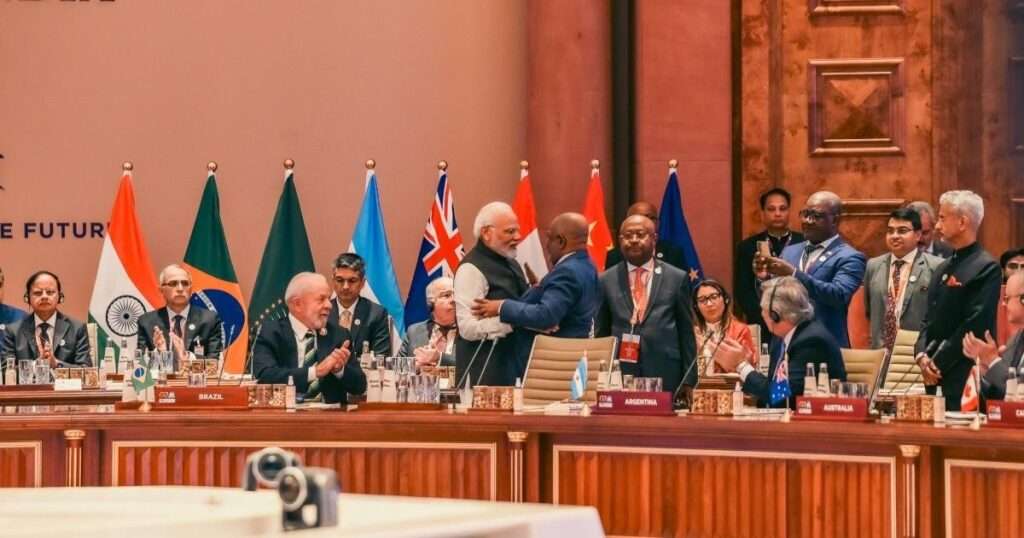
- India will likely intensify defence cooperation with the United States and Israel, leveraging their strengths in intelligence sharing, counter-terrorism, and defence technology to counterbalance the strategic implications of the new alliance.

- With Israel’s advanced capabilities in military technology and cybersecurity, India can gain critical support in enhancing its defensive and offensive capabilities, especially amid shifting Middle Eastern alliances.
- India may reinforce ties with regional powers like Japan, Australia, and Vietnam to maintain a favourable balance of power in the Indo-Pacific and protect its interests in the Indian Ocean Region.
- To neutralize any advantage Pakistan might gain from Saudi support, India will likely invest in military modernization, regional influence-building, and multilateral defence initiatives.
Way Forward for India
- Strategic Dialogue: Maintain continuous engagement with Riyadh to ensure transparency on the pact’s scope.
- Defence Diplomacy: Expand joint exercises, defence exports, and maritime security cooperation.
- Economic Leverage: Use India’s position as a major energy consumer and investment destination to reinforce mutual dependence.
- Regional Outreach: Strengthen ties with other GCC states to balance Saudi–Pakistan alignment.
- Intelligence Cooperation: Enhance counterterrorism coordination with Gulf partners to mitigate risks.
Conclusion
- The Saudi-Pakistan Defence Pact marks a significant realignment in the Middle East and South Asia, indicating a deepening military partnership between Saudi Arabia and Pakistan, which could reshape regional security dynamics.
- For India, the pact raises serious strategic concerns, as closer Saudi-Pakistani military cooperation could complicate India’s security and diplomatic strategies, particularly with regard to Pakistan and the broader Gulf region.
- India must carefully reassess its foreign policy and consider enhancing partnerships with key global powers (such as the U.S., Russia, and Israel) and regional allies to safeguard its strategic interests and maintain influence in the region.
- The key challenge for India is to maintain strong diplomatic and economic ties with Saudi Arabia while effectively managing the security implications of its growing alliance with Pakistan. A balanced, proactive, and multi-dimensional foreign policy will be essential.
The Saudi–Pakistan defence partnership underscores a broader shift towards autonomous regional security frameworks within the Islamic world. While it strengthens both nations’ strategic positions, it also poses new challenges for India’s security and diplomatic landscape. India’s response must balance firm defence preparedness with sustained engagement and pragmatic diplomacy in the evolving regional order.