
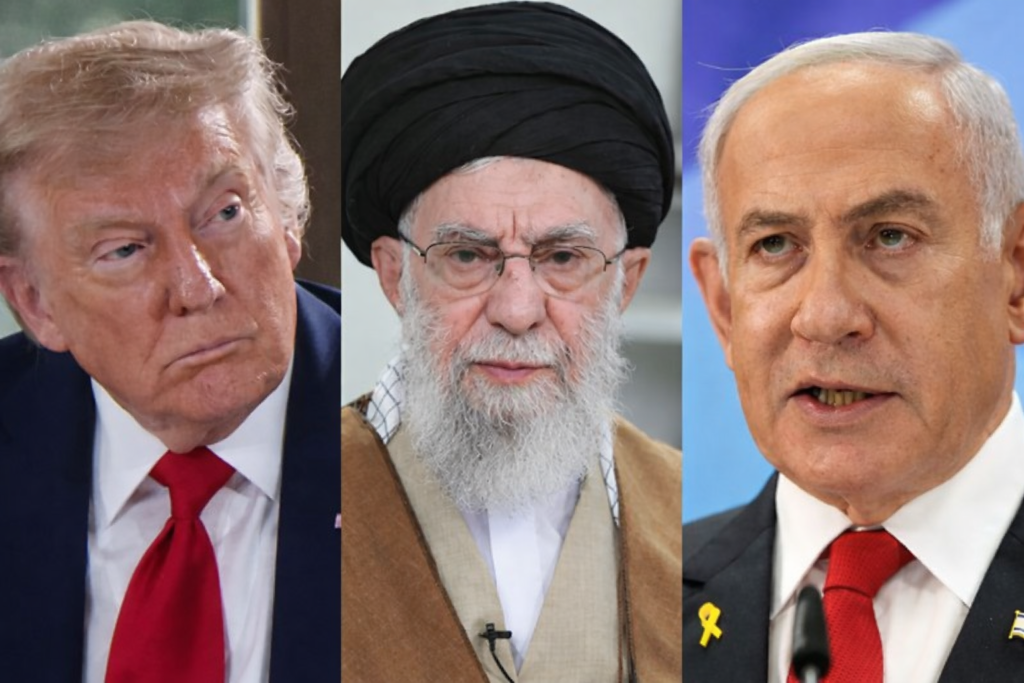
The Middle East has long been a region of complex alliances, rivalries, and power struggles, but the war between Iran, Israel, and the United States in 2026 represents one of the most significant escalations in decades. This is not a story that happened overnight; it is the culmination of years of political tension, proxy warfare, economic sanctions, and global power dynamics. In this blog, we will explore the roots of the conflict, the role of military technology, terrorism, the impact on the global oil market, and the wider implications for the Middle East and the world, all in human-readable terms.
Origins of the Conflict: From 2015 to 2026
The story begins in 2015, when Iran entered the Joint Comprehensive Plan of Action (JCPOA), commonly known as the nuclear deal. Under this agreement, Iran promised to limit its nuclear program in return for the lifting of international economic sanctions. For a brief moment, the deal offered hope that decades of hostility between Iran and Western powers could be eased.
However, in 2018, the United States unilaterally withdrew from the deal, reimposing severe economic sanctions on Iran. This move not only deepened Iran’s economic struggles but also drove Tehran to resume its nuclear ambitions. Over the next few years, mistrust between the United States, Israel, and Iran only grew, setting the stage for a direct confrontation.
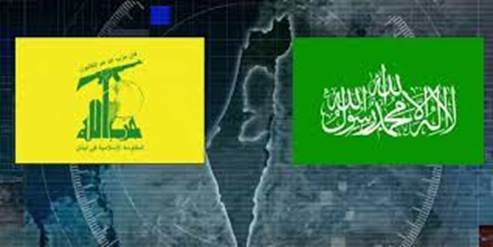
During this period, Iran also expanded its influence through proxy groups across the region. Organizations like Hamas in Gaza, Hezbollah in Lebanon, Houthi rebels in Yemen, and militias in Iraq and Syria became instruments of Iranian strategy. These groups carried out rocket and drone attacks on Israel and U.S. interests, acting as force multipliers for Iran while allowing it to avoid direct confrontation.
The Escalation: 2026 and Direct Warfare
The direct war began in early 2026. U.S. and Israeli forces launched coordinated strikes on Iranian military and nuclear facilities. Using advanced jets, long-range missiles, and naval assets, the attacks aimed to weaken Iran’s military capabilities and curb its nuclear program.
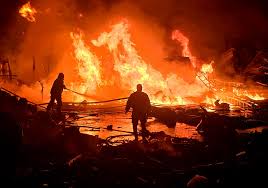
Iran responded immediately. Ballistic missiles and armed drones were fired toward U.S. bases in the region, Israeli military installations, and even critical civilian infrastructure in neighboring Gulf countries. The conflict marked a shift from proxy wars and indirect attacks to direct nation-to-nation warfare, raising fears of a larger, more destructive regional war.
Military Technology on Display
This war has become a showcase for modern military technology. Drones (UAVs) are central to operations, used by Iran to strike Gulf ports and military targets and by the U.S. and Israel for surveillance and precision strikes. Ballistic missiles launched across the region have caused significant damage, while precision-guided missiles from U.S. and Israeli forces targeted Iranian nuclear and military installations with surgical accuracy.
Naval forces also play a crucial role. The U.S. Navy patrols the Strait of Hormuz, ensuring shipping lanes remain open while also launching strikes when necessary. Iran has countered with threats to disrupt maritime traffic using boats, drones, and missile attacks. The combination of air, land, and sea operations makes this conflict one of the most technologically complex in the Middle East.
The Strait of Hormuz and Global Oil Markets
The Strait of Hormuz, a narrow waterway between Iran and Oman, is one of the world’s most strategic oil chokepoints. Nearly 20% of global oil supply passes through this strait. When Iran threatened to close or disrupt it, global markets reacted immediately. Shipping traffic plummeted, and oil prices spiked dramatically—from around $70 per barrel to over $100 per barrel in just days.
The ripple effects were felt worldwide. Energy costs soared, driving up prices for transport, manufacturing, and consumer goods. Countries dependent on imported oil faced potential economic slowdowns and inflationary pressure. The crisis demonstrated how regional conflicts in the Middle East can have global economic consequences almost instantly.
Terrorism and Proxy Warfare: The Background Threat
Even before the direct war, terrorism and proxy conflicts were a constant source of tension. Iran-backed groups carried out repeated rocket and drone attacks on U.S. and Israeli targets. Oil infrastructure in Yemen and the UAE was repeatedly attacked, signaling that Iran could influence events without engaging directly. These actions created a persistent climate of fear and instability, setting the stage for the broader 2026 conflict.
The Wider Middle East Crisis
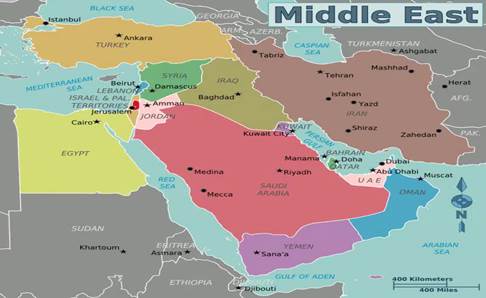
The war has not been contained to Iran, Israel, or the United States. Gulf countries, including the UAE, Qatar, and Bahrain, have been targeted by missiles and drones. Civilian infrastructure, including water plants, airports, and energy facilities, has been attacked, raising humanitarian concerns. Yemen’s Houthi rebels have continued assaults on shipping in the Red Sea and Gulf, disrupting trade routes critical for energy exports.
Internationally, countries like Russia and China have avoided direct military involvement, instead relying on diplomatic leverage, while Western nations warn of regional escalation and economic fallout. The conflict threatens to destabilize not only the Middle East but also global security and trade.
Economic and Social Consequences
The war’s economic impact has been profound. Rising oil and fuel prices have slowed economies, increased inflation, and raised the cost of everyday goods worldwide. Travel and shipping routes have been disrupted due to safety concerns, affecting global supply chains. Critical energy infrastructure, including refineries, pipelines, and LNG terminals, faces constant threats, raising fears of long-term energy instability.
Socially, the conflict has increased anxiety across the region. Civilians in Gulf countries, Iran, and Israel live under the constant threat of missile and drone attacks. Humanitarian concerns are mounting, especially as critical services like water and electricity become targets.
Looking Ahead: What’s Next?
The future of the conflict remains uncertain. Analysts predict:
- The war may continue for weeks or months, depending on diplomatic or military developments.
- Oil markets will remain extremely sensitive to escalation, with potential further spikes in prices.
- Global economies may continue to feel the impact of rising energy costs and disrupted trade.
- Diplomatic efforts are essential to prevent the war from expanding further into the region.
The Iran-Israel-USA war is more than a regional conflict—it is a global concern, intertwining military strategy, economic stability, and geopolitical power.